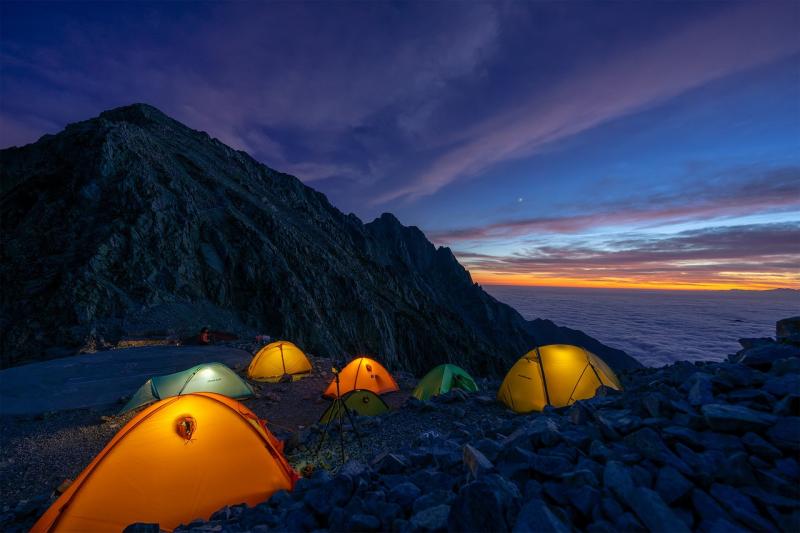
Start with your tent. A good tent sets the stage for a comfy night under the stars. Make sure it’s the right size for your crew. You don’t want to be crammed in like sardines or have a bunch of extra space. It’s also smart to check the weather and choose a tent that can handle it.
Next up is your sleeping setup. A comfy sleeping bag is a must. Look for one that matches the climate where you’ll be camping. And don’t forget an air mattress or sleeping pad! Nothing beats a good night’s sleep on a soft surface. Trust me, you’ll thank yourself in the morning!
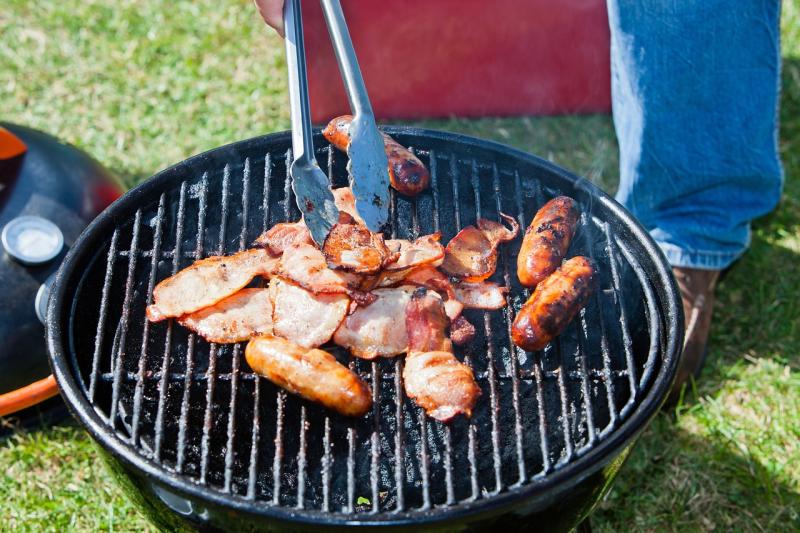
Now, let’s talk about cooking gear. A portable stove or grilling kit can make meal prep easy and fun. Pack some cookware, utensils, and—of course—your favorite snacks. Nothing feels better than enjoying a warm meal after a day of hiking.
Last but not least, keep safety gear in mind. A first-aid kit is a no-brainer. Add a flashlight, extra batteries, and a multi-tool. You never know when you might need them. Are you ready to dive into the great outdoors? Gathering your gear is the first step to an amazing camping experience!
Plan Your Campsite Setup
Planning your campsite setup can make or break your camping experience. Start by choosing the right spot. Look for level ground, away from hazards like falling branches or potential floods. If you're camping in a group, try to find an area close enough for socializing but spacious enough for your tents.
Next, think about the layout. Set up your cooking area away from your sleeping area to keep things tidy and safe. This helps prevent any spills or smells from intruding on your comfort zone. Plus, it keeps food away from your tent, reducing the chances of attracting critters.
Don’t forget about the essentials. Have a dedicated spot for your gear, cooking equipment, and food supplies. A couple of crates or bins can really help keep things organized. Also, bring a tarp or ground cover under your tent. It adds extra protection from moisture and wear, keeping your setup nice and cozy.
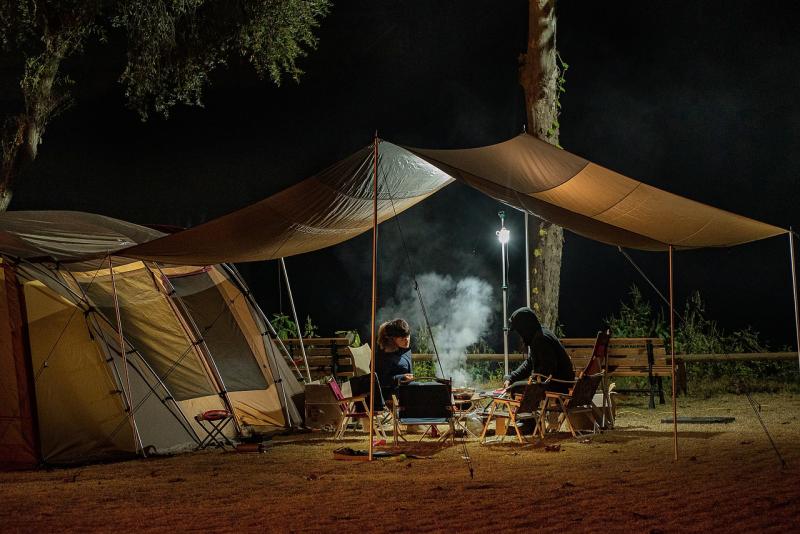
Lighting is another key factor. String up some lights or bring along a lantern to make your campsite feel more inviting at night. It adds a nice touch and helps you avoid tripping over gear when you’re moving around after dark. With a little planning, your campsite setup can feel like a home away from home.
Pack Smart for Comfort
When you head out for a camping trip, packing smart can make all the difference. You want to bring just what you need without overloading your backpack. Start by making a list of essentials. Think about the basics like your tent, sleeping bag, and a trusty cooking setup. But don’t forget the little things that can elevate your comfort.
For instance, a good-quality sleeping pad can turn a rough night's sleep into a restful experience. Look for one that offers insulation and is easy to pack. Consider bringing a pillow or something you can stuff with clothes to support your neck. Comfort items like these can keep the grumpiness at bay, especially on those chilly nights.
Don’t skimp on your food. Choose lightweight, high-energy snacks like trail mix, jerky, and energy bars that are easy to pack. A portable stove can make cooking much easier than trying to start a fire every meal. It’s all about convenience while still enjoying your time outdoors.
Water is crucial. Always have a reliable water bottle or hydration reservoir on hand and keep it filled. Nothing ruins a trip faster than running out of water on a hot day. If you’re hiking somewhere remote, consider bringing a water filter or purification tablets so you can refill safely.
Lastly, pack clothes in layers. The weather can change quickly, and being prepared means you’ll stay comfortable. A moisture-wicking base layer, an insulating mid-layer, and a waterproof outer layer can help you adapt to whatever nature throws your way. Don’t forget a good pair of hiking boots; your feet will thank you later!
Stay Safe in the Great Outdoors
Staying safe while camping isn't just important; it's essential. The great outdoors can be unpredictable, so being prepared is key. First things first, always check the weather before you head out. You don't want to get caught in a surprise storm or extreme temperatures. Pack accordingly, and make sure you have the right gear to handle whatever Mother Nature throws your way.
Next, make a personal safety plan. Let someone know your camping spot and when you'll be back. This way, if something goes wrong, someone will know where to look for you. Keep a first aid kit handy, and take a basic first aid course if you can. It’s a lifesaver—literally!
Wildlife encounters can be thrilling, but they can also be dangerous. Store your food properly, away from your sleeping area. Bears and other critters have a knack for sniffing out snacks. Try using bear-resistant containers if you're in bear country. It’ll help keep your food safe and keep you safe, too.
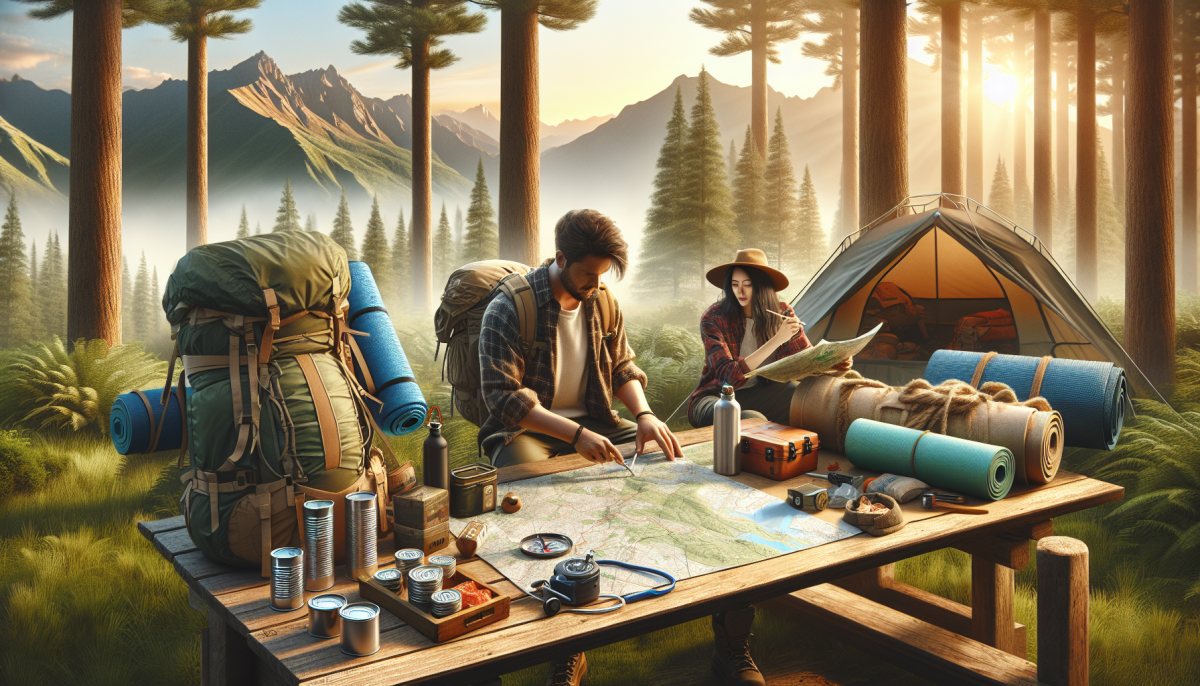
Knowing how to navigate is vital. Bring a map and compass, and if you’re not confident in your navigation skills, look for apps that work offline. Getting lost is no fun, but it can happen easily when you’re immersed in nature. A little preparation can go a long way and keep your adventure enjoyable.