When you're out camping, your tent is your home away from home. Choosing the right type can really make or break your adventure. Let’s break down the most common tent types so you can pick the one that fits your trip best.
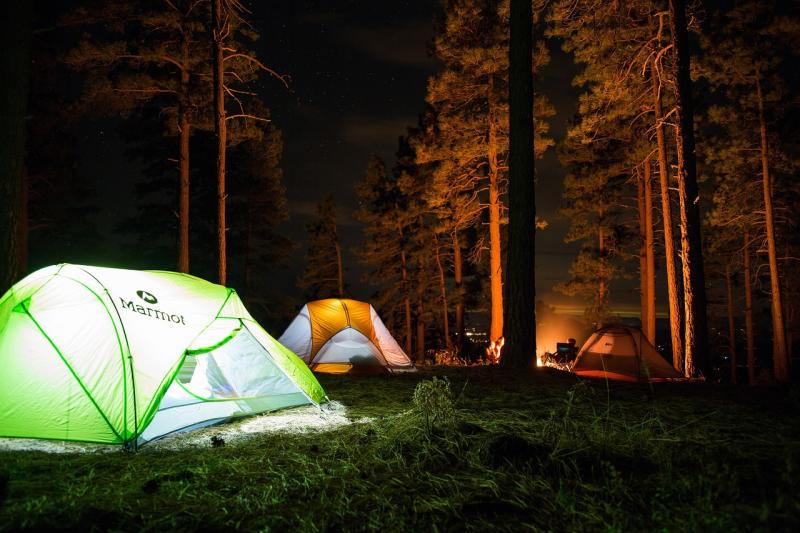
Dome Tents are super popular for a reason. They’re lightweight and easy to set up, making them great for both beginners and seasoned campers. With a rounded shape, they handle wind pretty well too. Perfect for weekend trips or family camping, they usually offer decent space and headroom.
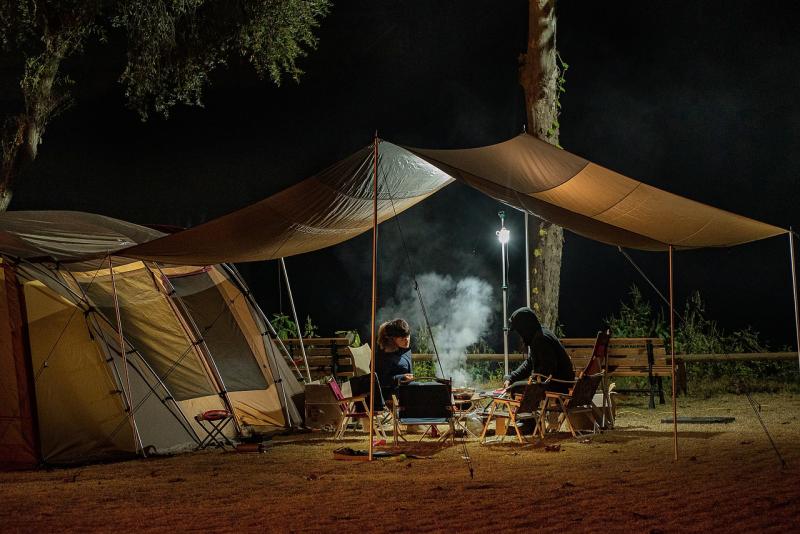
If you're looking for something extra sturdy, check out Cabin Tents. These guys are great for a more comfortable experience, especially if you're camping with a group. They come with vertical sides, which means you get more usable space inside. Many have room dividers, so you can create private areas if needed. Just keep in mind, they can be heavier and take longer to set up.
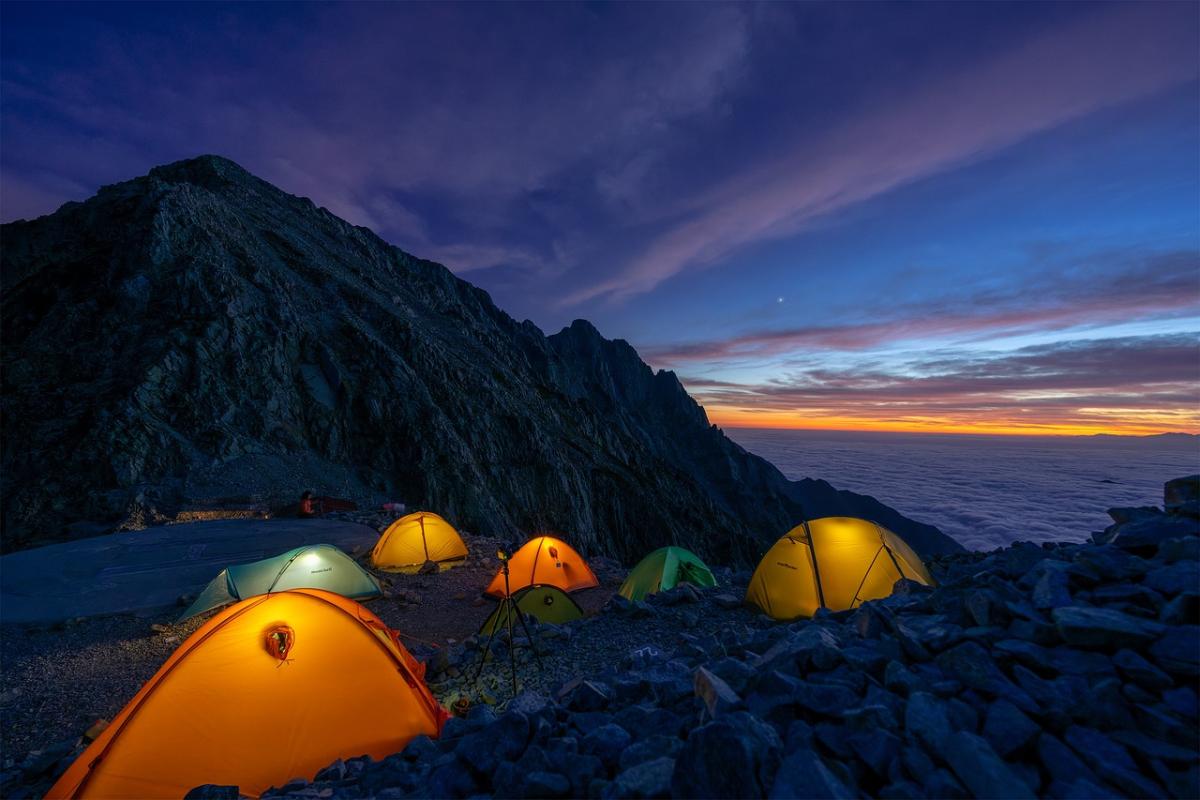
For those who like to go off the beaten path, Backpacking Tents are your best friend. They’re super lightweight and compact, perfect for fitting in your backpack. Most of them are designed for one or two people, so you and your hiking buddies can hit the trails without feeling weighed down. Just remember, they may sacrifice a bit of space for that portability.
Finally, let’s talk about Pop-Up Tents. These are a game changer for quick trips or beach outings. They pop open in seconds, so you can spend less time setting up and more time enjoying the outdoors. They’re not as durable as others, but they’re a breeze to manage. Just keep an eye on the weather; these are meant for mellow conditions.
Essential Features to Look for in Tents
When picking a camping tent, there are some key features you won't want to overlook. Start by checking the tent's capacity. If you’re camping solo, a one-person tent is perfect. But if you're bringing a buddy along or the family, make sure to go for a larger size. You want everyone to fit comfortably without feeling cramped.
Weather resistance is another top priority. Look for tents made with waterproof materials and solid seams. A rainfly can be a real lifesaver during unexpected downpours. Also, consider the tent’s ventilation. You don’t want to wake up in a stuffy, humid environment. Mesh panels and multiple openings help keep fresh air flowing, and that’s always a win.
Weight and packability are pretty important too, especially if you’re hiking to your camping spot. Lightweight tents are easier to carry and set up. Check how compact it is when packed away. A smaller footprint means more room in your backpack for other essentials.
Lastly, think about the setup process. You want something that’s quick and hassle-free, especially after a long day on the trail. Look for features like color-coded poles or pop-up designs that let you get settled in without a struggle. Simple is usually better when you're eager to start your adventure!
Tips for Choosing the Right Tent Size
Choosing the right tent size is super important for a good camping trip. A tent that's too small can feel cramped, making your time outdoors less enjoyable. On the flip side, a tent that's too big can be heavy and take up more space than needed. So, here's what to think about when deciding on size.
First off, consider how many people will be camping with you. A general rule of thumb is to allow 20 square feet per person. So, if you have four people, look for a tent that's at least 80 square feet. But if you want a little extra space for gear or to move around comfortably, go for something larger.
Next, think about your gear. If you plan to keep backpacks, coolers, or other gear inside the tent, factor that into your size choice. A tent with a vestibule or extra space can make all the difference. It gives you some room to store your gear without cramming everything inside.
Finally, how long do you plan to stay? For quick overnight trips, a smaller tent is usually fine. But for longer trips, having that extra space can really improve your overall experience. A bit of room to stretch out can make those rainy days much more bearable.
Care and Maintenance for Your Camping Tent
Taking care of your camping tent is key to making sure it lasts for many trips to come. It’s your home away from home, so a little TLC goes a long way. Here are some straightforward tips to help you maintain your tent.
First off, when you set up your tent, choose a clean, dry area. Clear any rocks, sticks, or muddy spots underneath it. This will help prevent tears and keep the bottom from getting damp. If rain is in the forecast, use a footprint or tarp for extra protection.
After your adventure, make sure to clean your tent properly. Shake off any dirt and debris, and wipe down the poles and zippers. If it’s muddy, use a sponge with mild soap and water. Avoid putting it in the washing machine, as this can damage the fabric and waterproofing.
Storing your tent correctly is just as important. Make sure it’s completely dry before you pack it away. Store it in a cool, dry place rather than cramming it into a damp basement or shed. Rolling it up loosely is better than stuffing it in a bag, which can create creases and weaken the material.
Finally, inspect your tent regularly for signs of wear and tear. Check the seams and the rainfly for any damage, and make necessary repairs with seam sealer or patches. A little upkeep now can prevent bigger problems later and keep your tent ready for your next outdoor adventure.